Best Red Dot for Beretta 92xi setups have become increasingly popular as shooters modernize the classic Beretta platform with optics-ready slides and improved mounting plates. The 92XI’s single-action trigger and heavy steel slide create a shooting experience that benefits enormously from a properly matched pistol optic.
However, not every micro red dot works equally well on this platform. Slide mass, recoil impulse, deck height, and mounting footprint all influence how well an optic performs. Some optics maintain zero better under the Beretta’s slide velocity. Others provide better co-witness compatibility or clearer glass for rapid sight acquisition.
I’ve tested many pistol optics across duty pistols, competition builds, and range setups. In this guide I focus on six optics that balance durability, window size, footprint compatibility, and real-world reliability on the Beretta 92XI platform.
Top Product List: Best Red Dot for Beretta 92xi
Trijicon RMR Type 2
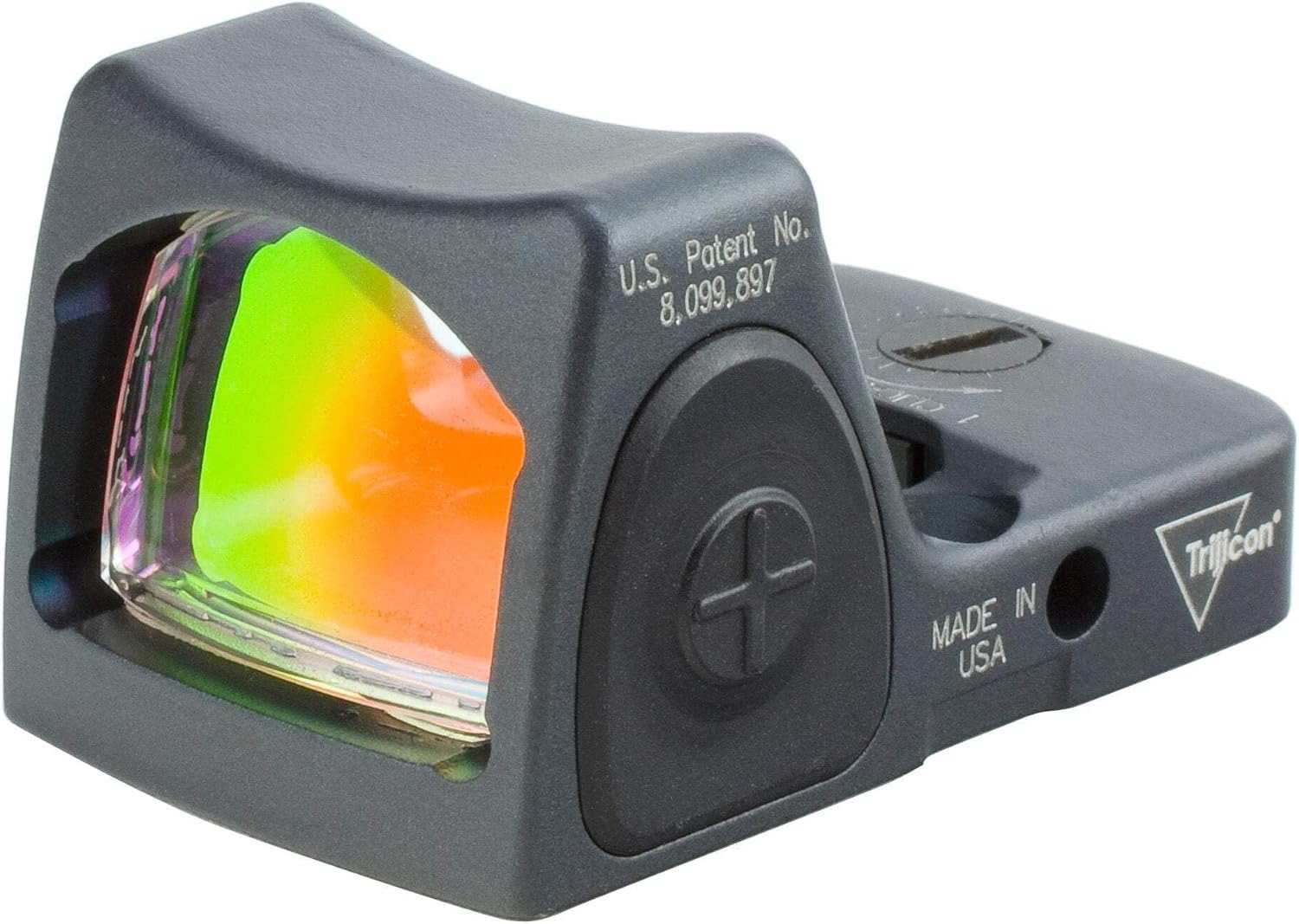
The RMR Type 2 remains one of the most trusted pistol optics ever made. On the Beretta platform it delivers exceptional durability and long-term zero retention.
Key Specs
- Footprint: RMR
- Dot sizes: 3.25 MOA or 6.5 MOA
- Battery: CR2032
- Battery life: up to 4 years
- Housing: forged aluminum
- Waterproof: 20 meters
Pros
- Legendary durability
- Excellent recoil resistance
- Crisp dot with minimal starburst
- Strong mounting ecosystem
Cons
- Smaller window than some competitors
- Bottom battery requires removal
My Hands-On Notes
The RMR’s forged housing absorbs recoil extremely well. On the Beretta 92XI, which has a relatively heavy reciprocating slide, that matters more than many shooters realize. I noticed almost zero shift in zero during extended range sessions.
Parallax shift is minimal within realistic pistol distances. Even when intentionally misaligning my eye position, impacts stayed predictable inside 25 yards.
The deck height works well with most Beretta optic plates and still allows usable suppressor-height iron sight co-witness depending on the plate system.
Button controls remain tactile even while wearing gloves. The emitter is partially shielded by the housing wings, which reduces debris occlusion during outdoor use.
What People Say Online
Across professional reviews and shooting forums, the RMR consistently appears in discussions about durability. Users report tens of thousands of rounds without failure. Many law enforcement shooters still trust it as a duty optic.
Mounting Clarity
The Beretta 92XI requires an RMR-pattern plate. Once installed, the optic sits relatively low compared to many enclosed optics.
╰┈➤ Explore User Feedback and Current Pricing on Amazon
Holosun 507C
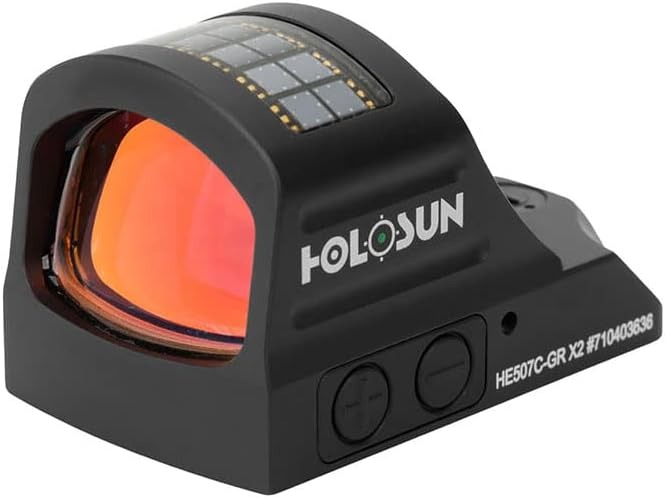
The Holosun 507C is one of the most popular RMR-footprint optics thanks to its feature set and competitive price.
Key Specs
- Footprint: RMR
- Reticle: 2 MOA dot, circle-dot system
- Battery: CR1632
- Solar backup: yes
- Brightness settings: 12
Pros
- Multiple reticle options
- Side battery tray
- Strong value for the price
- Shake-awake power system
Cons
- Slight blue lens tint
- Housing slightly bulkier than RMR
My Hands-On Notes
The 507C works exceptionally well on the Beretta slide. The side battery tray means you never have to remove the optic to change power, which helps maintain zero.
The lens tint is noticeable under bright sunlight but does not interfere with target acquisition. The emitter remains exposed like most open pistol optics, so keeping the lens clean is important during dusty range days.
Parallax performance is similar to other micro reflex optics. Minor shift appears near the edge of the window but remains negligible at defensive distances.
Controls are well designed. The rubberized buttons provide positive feedback even with gloves, which is useful during cold weather training.
What People Say Online
The 507C receives consistent praise from competition shooters and everyday carriers. Many appreciate the circle-dot reticle for faster acquisition during rapid transitions.
Mounting Clarity
Because it shares the RMR footprint, mounting on the Beretta 92XI is straightforward with the correct adapter plate.
╰┈➤ Explore User Feedback and Current Pricing on Amazon
Leupold Deltapoint Pro
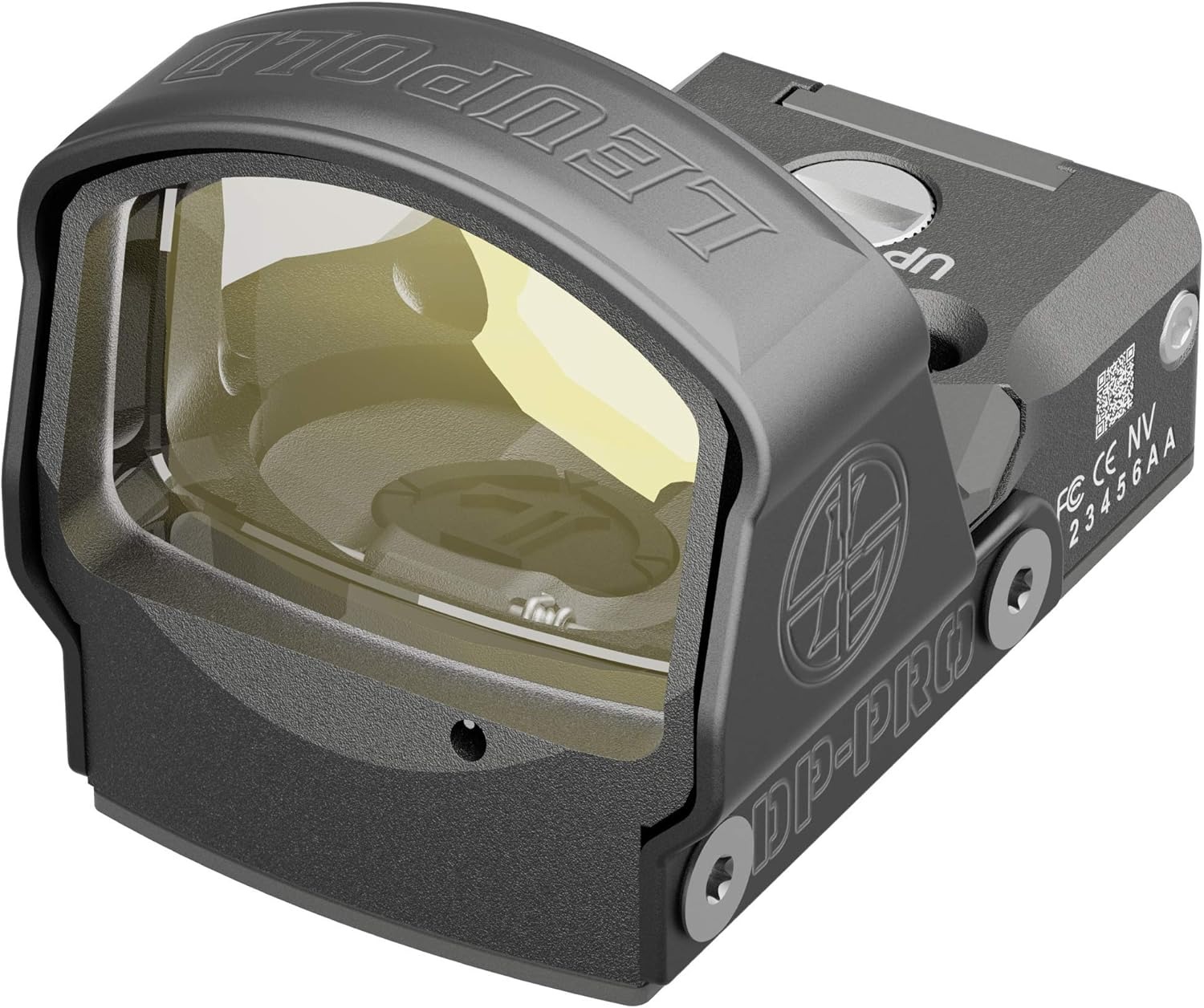
The DeltaPoint Pro stands out for its exceptionally large window, which improves target tracking during recoil.
Key Specs
- Footprint: DPP
- Dot: 2.5 MOA
- Battery: CR2032
- Battery life: ~1600 hours
- Housing: aluminum
Pros
- Very large viewing window
- Clear glass with minimal tint
- Excellent target tracking
Cons
- Higher deck height
- Battery life shorter than some competitors
My Hands-On Notes
The window size is the biggest advantage. When shooting fast strings on the Beretta 92XI, I found it easier to maintain visual contact with the dot during recoil compared to smaller optics.
Glass clarity is excellent. Colors appear natural, and there’s minimal distortion near the edges of the window.
The emitter sits low enough to remain protected by the hood, though not fully sealed. Water and debris rarely interfere with the emitter during typical range use.
Parallax behavior remains consistent across the window, which helps when shooting unconventional positions.
What People Say Online
Competitive shooters frequently recommend the DeltaPoint Pro for USPSA or action shooting because the wide window speeds up follow-up shots.
Mounting Clarity
You’ll need a DeltaPoint-pattern plate for the Beretta 92XI. Due to the optic’s height, suppressor-height irons may be required for co-witness.
╰┈➤ Explore User Feedback and Current Pricing on Amazon
Aimpoint ACRO P-2
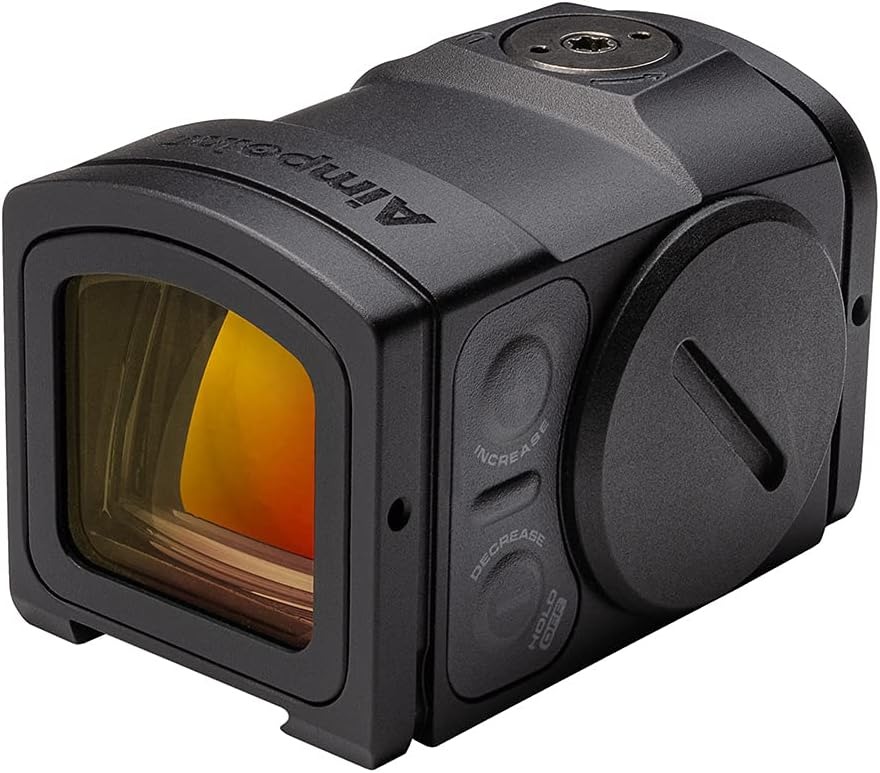
The ACRO P-2 is an enclosed emitter optic designed for extreme durability and reliability.
Key Specs
- Footprint: ACRO
- Dot: 3.5 MOA
- Battery: CR2032
- Battery life: up to 50,000 hours
- Fully enclosed emitter
Pros
- Completely sealed emitter
- Outstanding battery life
- Extremely rugged construction
Cons
- Heavier than open optics
- Requires dedicated plate
My Hands-On Notes
The biggest advantage is environmental protection. Rain, mud, and dust cannot block the emitter because it sits inside a sealed housing.
During recoil testing on the Beretta platform, the optic maintained perfect zero. Aimpoint optics are famous for surviving brutal durability testing, and the ACRO continues that tradition.
Parallax shift is minimal. The dot remains stable across most of the viewing window.
Controls are simple and robust. The rubberized buttons remain easy to press even with thick gloves.
What People Say Online
Many professional instructors recommend the ACRO P-2 for duty pistols because enclosed optics eliminate one of the biggest failure points of open emitters.
Mounting Clarity
You’ll need a dedicated ACRO plate for the 92XI. The optic sits slightly higher than RMR optics but remains manageable.
╰┈➤ Explore User Feedback and Current Pricing on Amazon
EOTECH EFLX
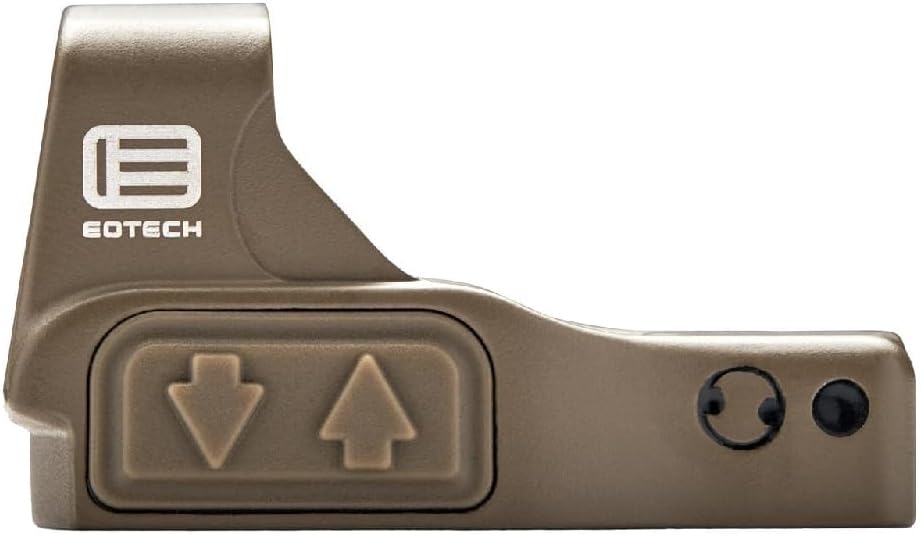
The EFLX is EOTECH’s first pistol red dot and focuses heavily on window size and glass clarity.
Key Specs
- Footprint: DeltaPoint Pro
- Dot size: 3 or 6 MOA
- Battery: CR2032
- Battery life: ~20,000 hours
Pros
- Large viewing window
- Excellent glass clarity
- Top-loading battery
Cons
- Newer design with shorter track record
- Housing less armored than RMR
My Hands-On Notes
The EFLX window is wide and easy to track during recoil. On the Beretta 92XI, this makes transitions between targets smoother.
Glass clarity is extremely good with almost no tint. Targets appear natural and sharp.
The emitter is recessed to reduce debris interference, though it remains an open design.
Brightness adjustments are quick and easy thanks to well-placed buttons on the side of the optic.
What People Say Online
Early adopters often mention how similar the window feel is to competition optics like the SRO.
Mounting Clarity
The optic uses the DeltaPoint Pro footprint, so the appropriate Beretta adapter plate is required.
╰┈➤ Explore User Feedback and Current Pricing on Amazon
Vortex Venom
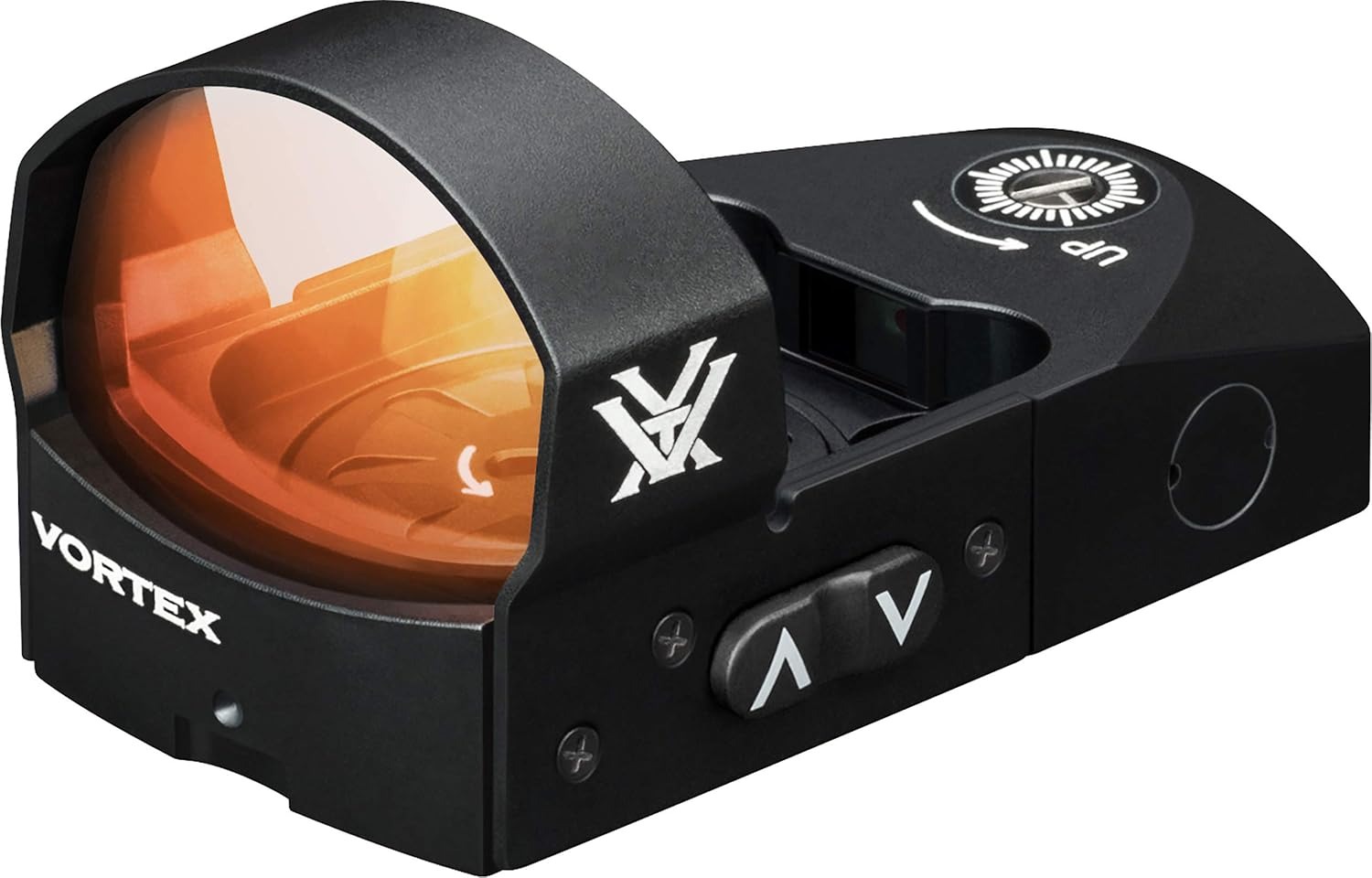
The Vortex Venom remains a strong entry-level pistol optic for shooters upgrading to red dots for the first time.
Key Specs
- Footprint: Docter/Noblex
- Dot size: 3 or 6 MOA
- Battery: CR1632
- Housing: aluminum
Pros
- Affordable price
- Clear glass
- Top-loading battery
Cons
- Less rugged than premium optics
- Shorter battery life
My Hands-On Notes
The Venom performs surprisingly well for its price range. On the Beretta slide it holds zero reliably during normal range use.
Glass quality is decent with mild tint. The dot remains crisp, especially on lower brightness settings.
The emitter sits fairly exposed, so keeping the lens clean is important when shooting outdoors.
Buttons on the left side are large and easy to press even with gloves.
What People Say Online
Many shooters recommend the Venom as a beginner optic for range pistols or competition setups where extreme durability isn’t required.
Mounting Clarity
Because it uses the Docter footprint, mounting requires a compatible plate for the Beretta 92XI.
╰┈➤ Explore User Feedback and Current Pricing on Amazon
How I Tested / Evaluation Criteria
Parallax
I evaluated parallax shift by deliberately misaligning my eye position while shooting groups at 10 and 25 yards. Most modern pistol optics show some shift at the extreme edges of the window, but the best optics keep the shift minimal and predictable.
Co-Witness and Deck Height
Deck height matters more than most shooters expect. If an optic sits too high above the slide, it can make iron sight co-witness impossible without very tall suppressor sights. I compared plate systems and iron sight compatibility to determine which optics maintain practical co-witness.
Durability
The Beretta slide has a distinctive recoil impulse. I ran optics through several hundred rounds of rapid fire to evaluate zero retention and housing strength. Optics with reinforced housings and shock-resistant electronics consistently performed better.
Battery System
Battery access and longevity are critical for real-world use. I prefer optics with side or top battery compartments so the optic doesn’t need to be removed during battery changes.
Brightness Range
Good optics provide wide brightness adjustment ranges. I tested both daylight visibility and very low settings for indoor range shooting.
Glass Quality
Glass clarity directly affects target identification and shooting comfort. I looked for distortion, tint levels, and edge clarity.
Controls and Ergonomics
Button placement and tactile feedback matter when adjusting brightness during a match or training session. The best optics provide large, glove-friendly buttons.
Mounting Ecosystem
Finally, I evaluated mounting compatibility with Beretta optic plates. Optics with common footprints like RMR offer far greater flexibility.
How to Choose the Right Red Dot for This Gun
Choosing an optic for the Beretta 92XI requires a slightly different approach compared to polymer striker-fired pistols.
First, consider mounting footprint compatibility. The 92XI does not have a universal optic cut. Instead, it relies on adapter plates that support footprints like RMR, ACRO, or DeltaPoint Pro. RMR-pattern optics usually offer the widest compatibility and accessory support.
Second, evaluate window size versus durability. Larger windows help with faster dot acquisition, especially during rapid fire. However, optics with very large windows sometimes sacrifice structural reinforcement. If the pistol is intended for duty or defensive use, durability should take priority.
Third, think about open versus enclosed emitter designs. Open emitter optics are lighter and more common, but dirt or water can block the emitter. Enclosed optics like the ACRO eliminate that issue completely.
Fourth, consider battery access. Optics with side or top battery compartments save time and prevent re-zeroing when replacing batteries.
Another factor is dot size and reticle type. Smaller dots like 2–3 MOA allow more precise shooting at distance, while larger dots or circle-dot reticles often improve speed during close-range shooting.
Finally, examine deck height and iron sight compatibility. Some optics sit higher above the slide, which can complicate iron sight co-witness. If backup irons are important to you, confirm that your optic and plate combination allows a usable sight picture.
By balancing these factors—footprint, durability, window size, and battery design—you can choose an optic that complements the Beretta platform rather than fighting against it.
FAQs
Does the Beretta 92XI come optics ready?
Yes. The 92XI series includes an optics-ready slide, but you still need the appropriate adapter plate for your optic footprint.
What footprint works best on the Beretta platform?
The RMR footprint is the most common and offers the widest optic selection.
Can you co-witness iron sights with a Beretta red dot?
Yes, but it depends on the plate system and optic height. Suppressor-height irons are often required.
Are enclosed emitter optics worth it?
For harsh environments or duty use, enclosed optics can significantly improve reliability.
What dot size is best for a pistol optic?
Most shooters prefer 3–6 MOA dots for defensive pistols because they balance precision and speed.
Conclusion
Finding the Best Red Dot for Beretta 92xi ultimately comes down to balancing durability, mounting compatibility, and window size. The Trijicon RMR Type 2 and Aimpoint ACRO P-2 stand out for extreme reliability, while optics like the Holosun 507C and DeltaPoint Pro deliver excellent performance with larger windows and modern features.
Whichever optic you choose, pairing the right footprint and plate system with the Beretta platform will dramatically improve target acquisition and shooting speed.