Best Red Dot for Beretta Px4 Storm is not as straightforward a choice as it is with modern optics-ready pistols. The Px4 Storm was designed before slide-mounted optics became common, which means mounting a reflex sight typically requires a plate system or rear-sight adapter. That alone changes what makes a red dot suitable.
After testing multiple optics on rotating-barrel pistols like the Px4, I’ve found that durability, deck height, and footprint compatibility matter far more than marketing specs. Some dots struggle with the recoil impulse of the Px4’s rotating barrel, while others maintain zero effortlessly.
In this guide I break down six optics that consistently perform well on the Px4 Storm platform. I evaluated them based on glass quality, emitter design, parallax behavior, mounting compatibility, and real-world shooting performance.
If you want a reliable optic for defensive carry, range training, or competition use on a Px4, these are the models that stand out.
Top Product List: Best Red Dot for Beretta Px4 Storm
Trijicon RMR Type 2
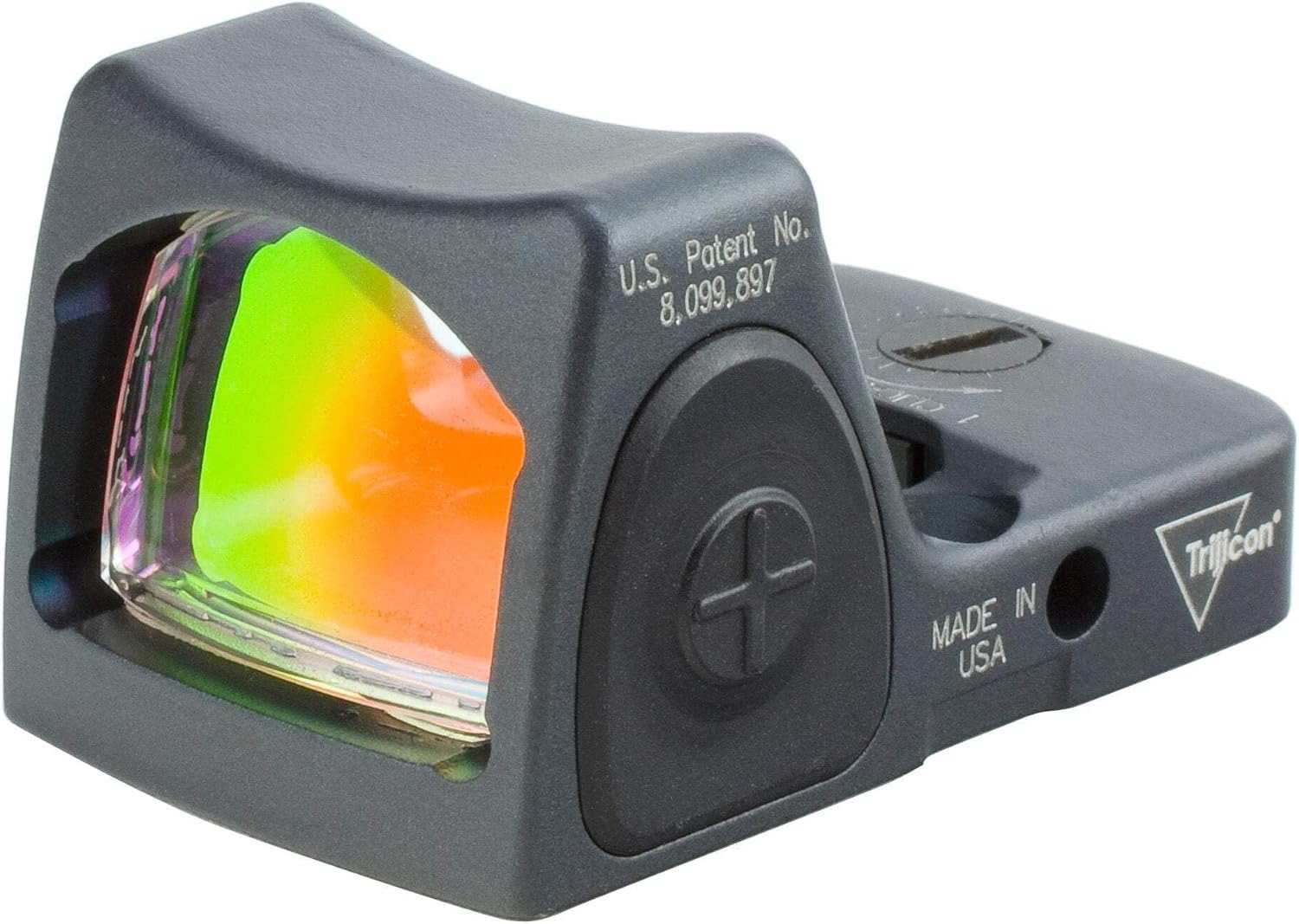
The Trijicon RMR Type 2 remains the benchmark for pistol-mounted durability. When mounted to the Px4 Storm via an RMR-compatible plate, it provides outstanding reliability under recoil and rough handling.
Specs
- Footprint: RMR
- Dot size: 3.25 MOA (most popular)
- Battery: CR2032
- Battery life: ~4 years continuous
- Housing: Forged aluminum
- Waterproof rating: 20 meters
Pros
- Extremely rugged housing design
- Reliable electronics even under heavy recoil
- Minimal parallax shift inside practical pistol distances
- Huge aftermarket plate compatibility
Cons
- Slight blue lens tint
- Bottom battery requires optic removal
My Hands-On Notes
On the Px4 Storm, the RMR handles the rotating-barrel recoil impulse exceptionally well. During my range sessions I ran several hundred rounds without any detectable zero drift. The deck height is moderate when using most adapter plates, which still allows co-witness with suppressor-height iron sights.
The emitter sits slightly recessed which helps prevent debris occlusion, although the open design can still accumulate lint if carried daily. Parallax shift is minimal inside 25 yards, which is where a defensive pistol optic matters most.
The brightness buttons are tactile enough to manipulate with gloves, and the controls never accidentally activated during recoil.
What People Say Online
Forums and Reddit discussions consistently describe the RMR as the “set-and-forget” optic. Many users report years of use on duty pistols without failure, which explains why law enforcement and military users often choose it.
Mounting Clarity
The Px4 Storm requires a rear-sight mounting plate or slide milling to accept the RMR footprint. Once installed, the optic sits low enough for usable co-witness depending on plate thickness.
╰┈➤ Explore User Feedback and Current Pricing on Amazon
HOLOSUN 507C
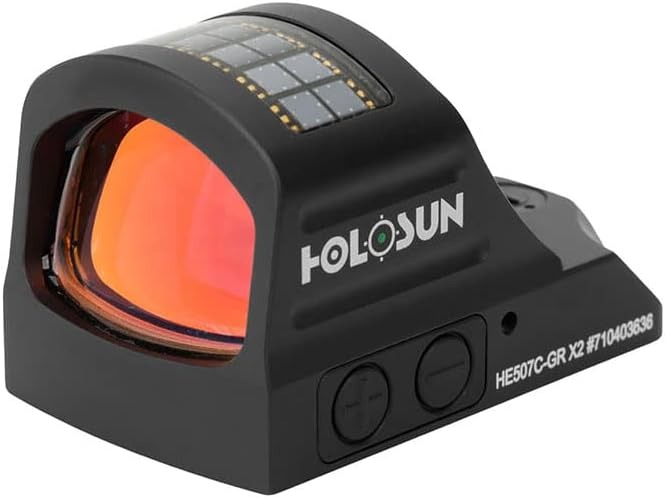
The Holosun 507C is one of the most feature-packed pistol red dots available. It uses the RMR footprint, making it easy to mount on Px4 adapter plates designed for that standard.
Specs
- Footprint: RMR
- Dot size: 2 MOA dot + 32 MOA circle
- Battery: CR1632
- Battery life: up to 50,000 hours
- Solar backup panel
- Side battery tray
Pros
- Multiple reticle system
- Side battery tray avoids removing optic
- Good glass clarity
- Excellent price-to-performance ratio
Cons
- Slight greenish tint on some units
- Open emitter design
My Hands-On Notes
On the Px4 Storm, the 507C performs surprisingly well given its lighter construction. The side battery tray is one of my favorite design features because it preserves zero during battery changes.
The reticle options are useful: the circle-dot combination makes target acquisition faster during dynamic shooting. Parallax performance is good, though not quite as refined as premium optics like the RMR.
Button controls have excellent tactile feedback and are easy to operate with gloves. Lens distortion near the edges is minimal.
What People Say Online
Many shooters consider the 507C the best value pistol optic because it combines advanced features with a moderate price. Users frequently mention the solar backup and multi-reticle system as standout benefits.
Mounting Clarity
Because it uses the RMR footprint, the 507C works with most Px4 Storm adapter plates designed for RMR optics.
╰┈➤ Explore User Feedback and Current Pricing on Amazon
Leupold DeltaPoint Pro
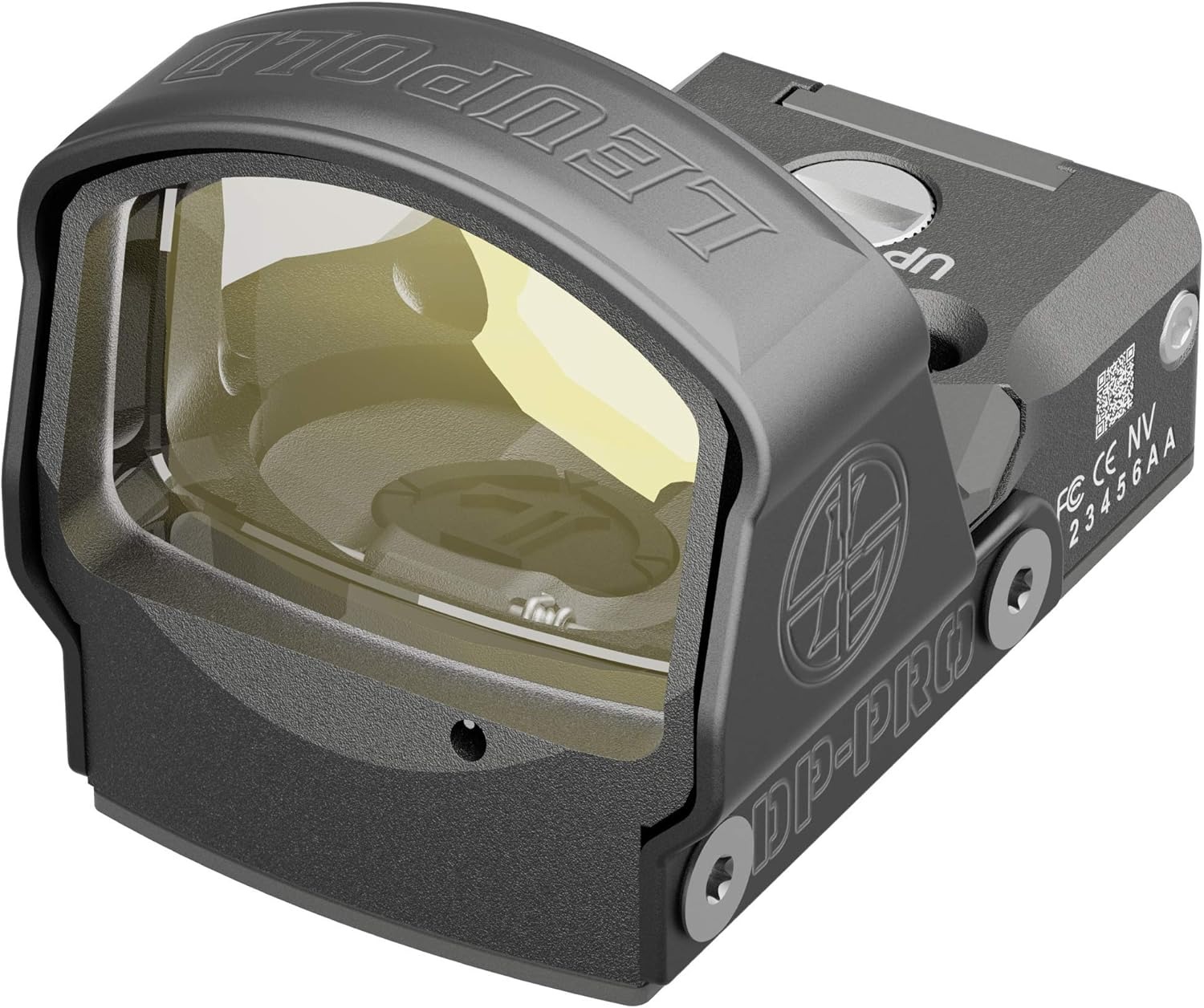
The DeltaPoint Pro stands out for one reason: the viewing window is massive. For shooters transitioning from iron sights, that large window dramatically speeds up target acquisition.
Specs
- Footprint: DeltaPoint Pro
- Dot size: 2.5 MOA
- Battery: CR2032
- Battery life: ~1600 hours
- Motion sensor activation
- Aluminum housing
Pros
- Huge field of view
- Crisp dot with minimal starburst
- Top-loading battery
- Clear glass
Cons
- Shorter battery life than competitors
- Slightly taller deck height
My Hands-On Notes
The DeltaPoint Pro feels exceptionally natural on the Px4 Storm. Because the window is large, finding the dot during presentation is easy even with imperfect grip alignment.
Lens clarity is excellent, with minimal tint. I also noticed very little window distortion around the edges.
Parallax performance is solid inside defensive distances, and the dot remains stable during rapid strings of fire. The brightness button on top is easy to press but slightly less tactile with gloves compared to side-mounted controls.
What People Say Online
Many competition shooters prefer the DeltaPoint Pro specifically for its window size. It’s also widely praised for optical clarity.
Mounting Clarity
The DPP footprint requires a dedicated mounting plate on the Px4 Storm. Because of its taller base, co-witness may require higher iron sights.
╰┈➤ Explore User Feedback and Current Pricing on Amazon
Burris FastFire 3
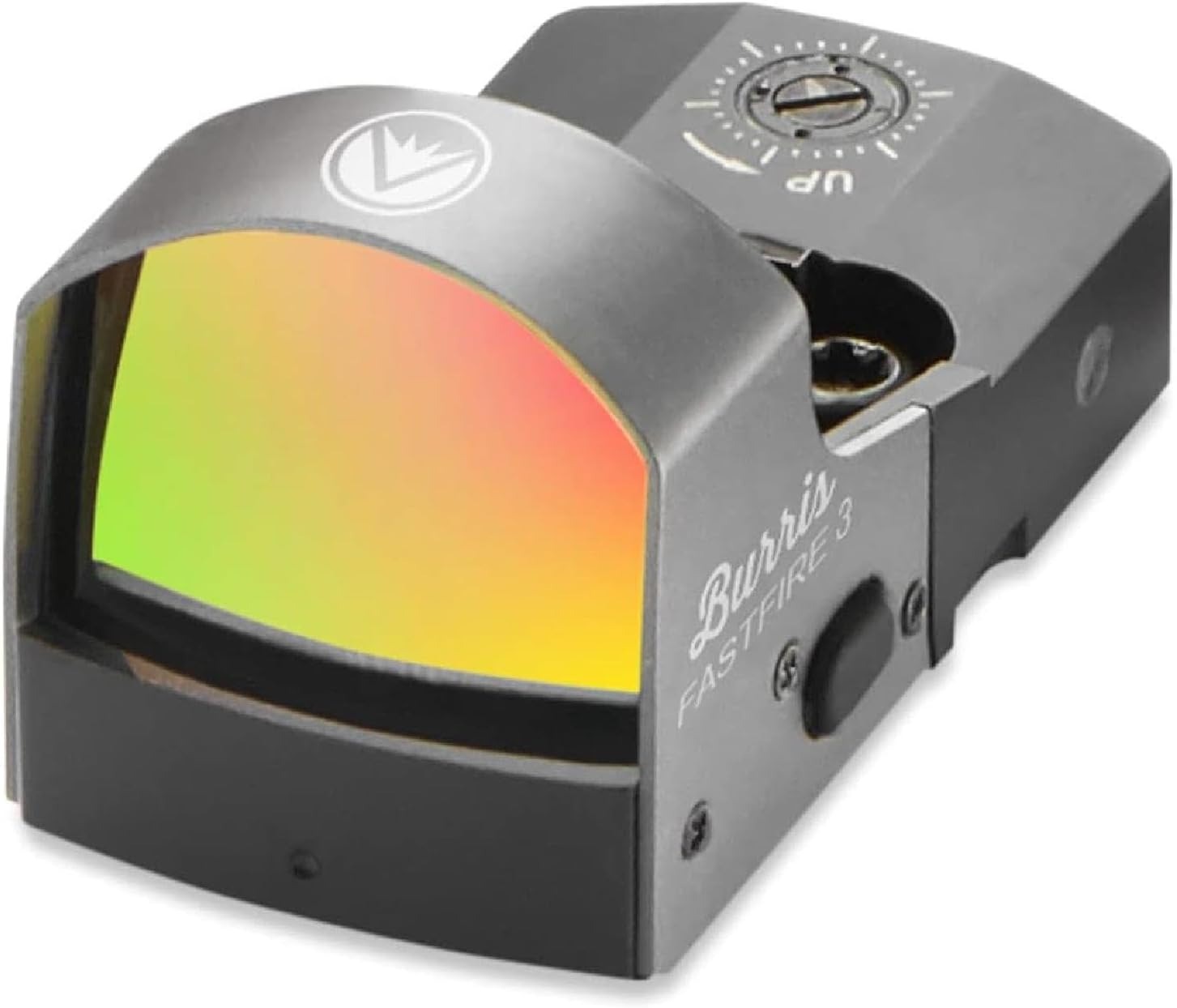
The Burris FastFire 3 has been around for years and remains a popular entry-level pistol optic.
Specs
- Footprint: Docter/Noblex
- Dot size: 3 MOA or 8 MOA
- Battery: CR1632
- Auto brightness sensor
- Aluminum housing
Pros
- Affordable
- Lightweight design
- Simple controls
- Good battery access
Cons
- Automatic brightness can be inconsistent
- Less rugged than duty optics
My Hands-On Notes
Mounted on the Px4 Storm with a Docter-pattern plate, the FastFire 3 performs adequately for range shooting and recreational use.
The window size is decent and the dot is clear in most lighting conditions. However, the automatic brightness system sometimes struggles when transitioning between indoor and outdoor lighting.
Parallax shift is acceptable at pistol distances, though slightly more noticeable compared with premium optics.
What People Say Online
Shooters frequently recommend the FastFire 3 as a budget entry into pistol optics. Many appreciate its simplicity and lightweight design.
Mounting Clarity
The Docter footprint works with several Px4 Storm mounting plates and is widely supported by aftermarket adapters.
╰┈➤ Explore User Feedback and Current Pricing on Amazon
Vortex Venom
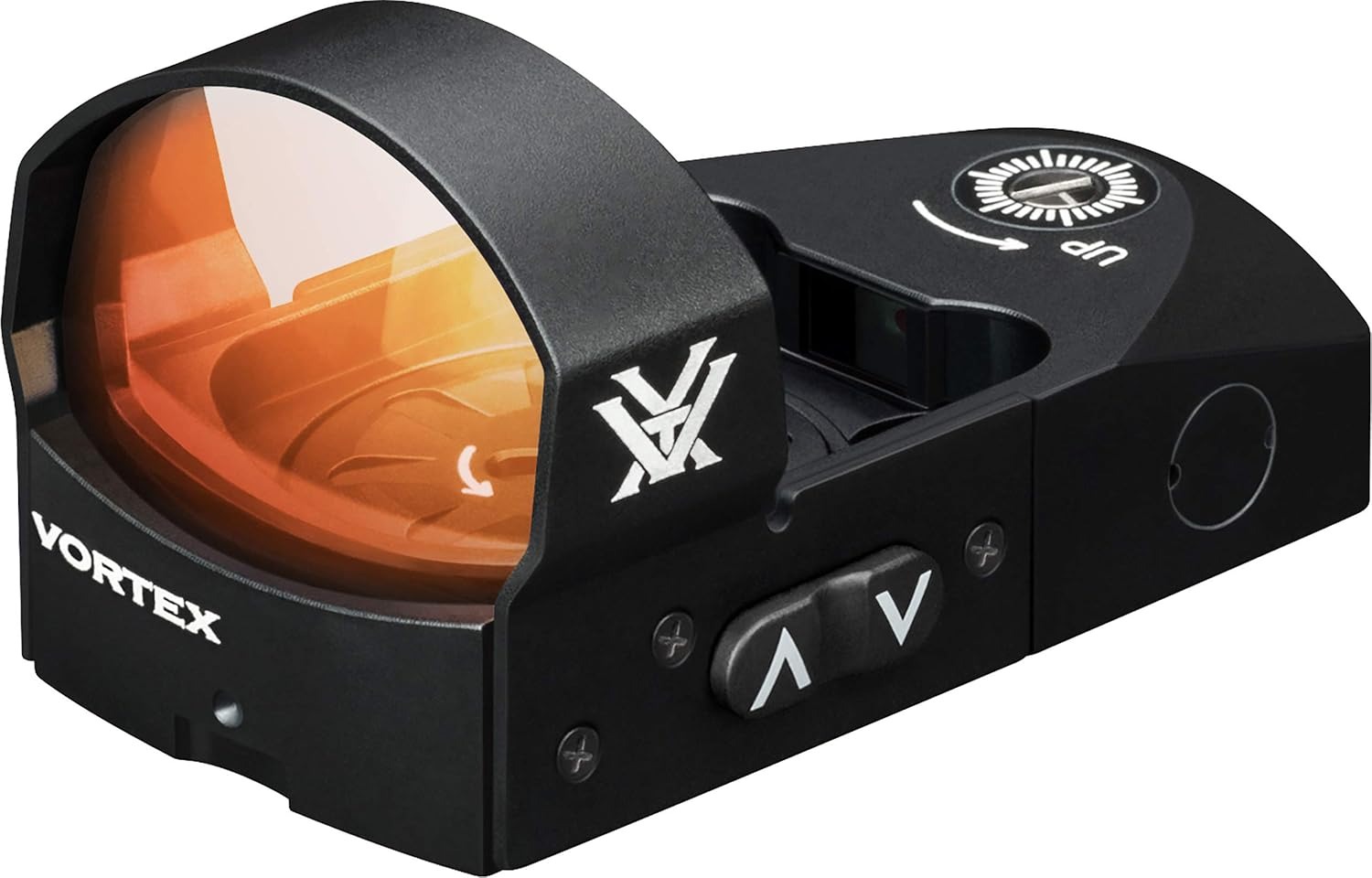
The Vortex Venom is one of the most common optics used on range pistols and competition builds.
Specs
- Footprint: Docter/Noblex
- Dot size: 3 MOA or 6 MOA
- Battery: CR1632
- Battery life: up to 30,000 hours
- Aluminum housing
Pros
- Large viewing window
- Top battery access
- Excellent warranty
- Bright, crisp reticle
Cons
- Open emitter susceptible to debris
- Slightly taller base
My Hands-On Notes
The Venom works well on the Px4 Storm when mounted with a Docter-pattern plate. The window is large enough to make target transitions fast, which makes it popular for range and competition use.
The glass has a mild blue tint but remains clear enough for accurate shooting. Parallax shift is minimal at realistic handgun distances.
Button controls are easy to operate and provide solid tactile feedback even while wearing gloves.
What People Say Online
The Venom receives consistent praise for reliability and Vortex’s outstanding warranty support.
Mounting Clarity
Because it uses the Docter footprint, the Venom fits many common Px4 optic plates.
╰┈➤ Explore User Feedback and Current Pricing on Amazon
Aimpoint ACRO P-2
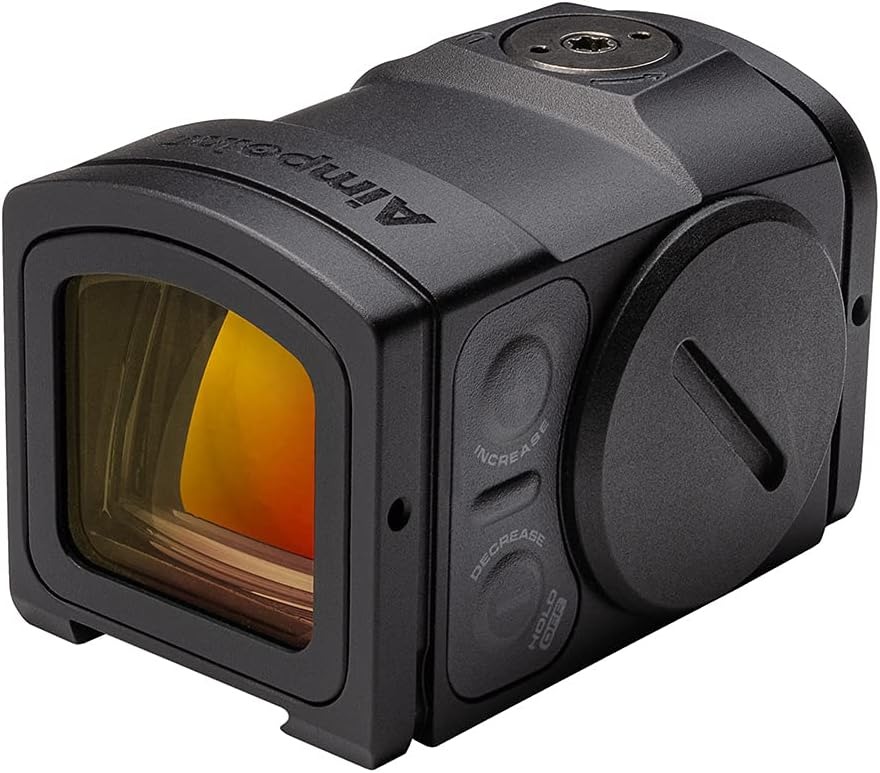
The Aimpoint ACRO P-2 represents the next generation of pistol optics thanks to its fully enclosed emitter design.
Specs
- Footprint: ACRO
- Dot size: 3.5 MOA
- Battery: CR2032
- Battery life: 50,000 hours
- Fully enclosed emitter
- Waterproof: 35 meters
Pros
- Completely sealed emitter
- Exceptional durability
- Outstanding battery life
- Reliable in rain, snow, or mud
Cons
- Smaller viewing window
- Higher price
My Hands-On Notes
The enclosed emitter is the ACRO’s biggest advantage. Dust, lint, and water cannot block the emitter, which makes it extremely reliable for defensive carry.
On the Px4 Storm, the optic stays stable even during rapid firing strings. I observed virtually zero parallax shift inside typical handgun ranges.
The side buttons are very tactile and easy to operate with gloves.
What People Say Online
Many professional users consider the ACRO one of the most reliable pistol optics ever made, especially in harsh environments.
Mounting Clarity
Because it uses the ACRO footprint, the Px4 Storm requires a compatible adapter plate specifically designed for ACRO optics.
╰┈➤ Explore User Feedback and Current Pricing on Amazon
How I Tested / Evaluation Criteria
Parallax
Parallax matters more on pistol optics than many shooters realize. During testing I checked how much the point of impact shifted when the dot moved to the edges of the window. Premium optics like the ACRO P-2 and RMR showed minimal shift within 25 yards.
Co-Witness and Deck Height
Deck height determines whether iron sights remain usable through the optic window. Some dots sit higher than others depending on their footprint and plate design. Lower deck heights allow easier co-witness and faster transitions between irons and optic.
Durability
The Px4 Storm’s rotating barrel produces a unique recoil impulse. I evaluated each optic for zero retention and housing strength under repeated firing.
Battery Performance
Battery design matters both for runtime and ease of replacement. Side-loading battery trays and top-mounted compartments help maintain zero during battery changes.
Brightness Range
A good pistol optic must handle everything from indoor range lighting to bright sunlight. I tested whether each optic remained visible under strong daylight.
Glass Quality
Lens coatings, tint, and distortion affect how easy it is to track the dot. Optics with minimal tint and low distortion performed noticeably better during fast shooting drills.
Controls and Ergonomics
Button placement and tactility are critical, especially when adjusting brightness with gloves. Optics with raised tactile buttons were easier to operate under stress.
Mounting Ecosystem
Some footprints—like RMR—have a huge aftermarket. That makes finding Px4 mounting plates easier and ensures long-term compatibility.
Why the Best Red Dot for Beretta Px4 Storm Needs the Right Mount
Choosing an optic is only half the equation with the Px4 Storm. Because the pistol was not originally designed for optics, the mounting solution plays a major role in performance.
Most shooters install a rear-sight adapter plate that replaces the factory sight. These plates provide footprints such as RMR, Docter, or ACRO.
A few key mounting considerations matter:
Plate strength: Cheap plates can flex under recoil and cause the optic to lose zero.
Deck height: The lower the plate sits, the easier it is to co-witness with iron sights.
Footprint compatibility: RMR plates are the easiest to find, which is why many Px4 owners choose RMR-pattern optics.
Another factor is slide mass. Larger optics increase reciprocating weight, which can affect reliability with weaker ammunition. Compact optics tend to work better.
For most Px4 users, an RMR-footprint optic paired with a quality steel adapter plate provides the most reliable setup.
FAQs
Can you mount a red dot directly on the Beretta Px4 Storm?
Most Px4 Storm pistols require an adapter plate or slide milling to mount an optic because they were not originally designed for red dots.
Which footprint works best for the Px4 Storm?
The RMR footprint is usually the easiest option because adapter plates for it are widely available.
Are enclosed emitter optics better for the Px4?
Enclosed optics like the ACRO P-2 are more resistant to dust, water, and debris, making them extremely reliable.
Do you need suppressor-height sights?
If you want co-witness capability, suppressor-height sights are often necessary depending on the plate and optic combination.
Will a red dot affect reliability?
When properly mounted with a quality plate, most modern pistol optics do not negatively affect Px4 reliability.
Conclusion
Finding the Best Red Dot for Beretta Px4 Storm requires more consideration than simply choosing the most popular optic. Because the pistol relies on adapter plates and has a unique recoil system, durability and mounting compatibility matter far more than flashy features.
Among the optics tested, the Aimpoint ACRO P-2 and Trijicon RMR Type 2 stand out for durability, while the Holosun 507C offers outstanding value with modern features. The DeltaPoint Pro excels in visibility thanks to its massive window, while the Venom and FastFire 3 remain solid options for range use.
Ultimately, the right optic depends on your priorities—duty reliability, competition speed, or budget performance—but with a proper mounting solution, the Px4 Storm can run modern red dots exceptionally well.